Behind the Lens: How Authentic Portland Marketing Campaigns Capture Real People
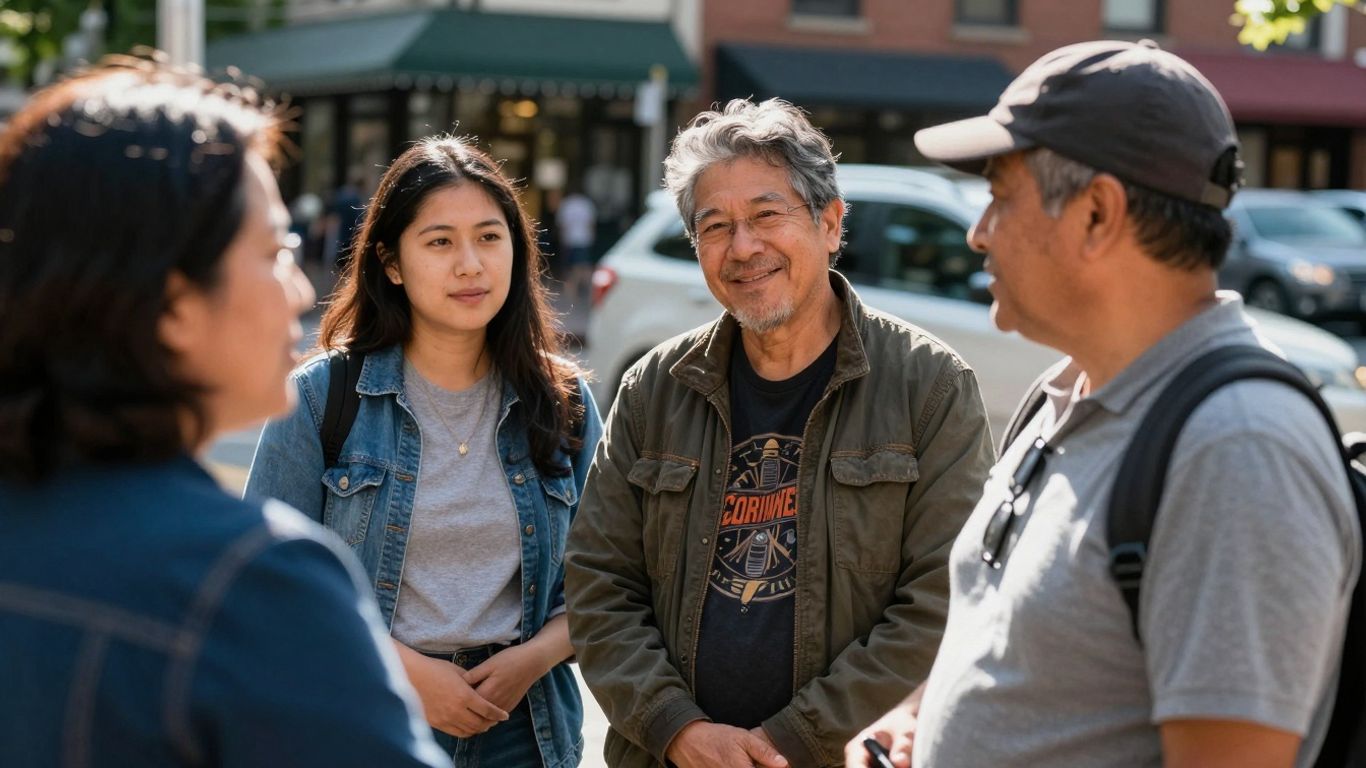
Portland's marketing scene has a certain vibe, right? It's less about slick, overproduced ads and more about showing the real deal. This article, 'Behind the Lens: Capturing Real People for Authentic Portland Marketing Campaigns,' dives into how local creatives and photographers are ditching the usual tricks to show genuine people and places. We’ll explore why this approach works and how it builds real connections.
Key Takeaways
- Portland's creative scene thrives on genuine innovation and expression, influencing marketing to favor authenticity over staged perfection.
- True authenticity in marketing requires significant effort, including thorough research and scouting to connect with local culture and people.
- Effective campaigns capture the unique spirit of a region, highlighting local interests like food trucks and parks while avoiding tired clichés.
- Using real, relatable individuals in branding builds trust and credibility, aligning personal attributes with a brand's identity.
- Investing in professional, authentic headshots goes beyond a simple resume boost, impacting first impressions, credibility, and personal confidence.
Portland's Unique Creative Ethos
The Local Spirit of Innovation and Expression
Portland has this vibe, you know? It’s not just about being different for the sake of it. There’s a genuine drive here for originality, for expressing yourself in ways that feel true. You see it everywhere, from the small businesses crafting unique goods to the artists painting murals on unexpected walls. This spirit really shapes how professionals in the city approach their image. They’re not looking for the standard, cookie-cutter look. They want something that reflects their personality, their work, and their connection to this place. It’s about embracing the quirks and the nuances that make them, and their businesses, stand out.
Why Portland Professionals Redefine Visual Branding
What’s interesting is how this local ethos translates into visual branding. People here tend to value authenticity over a super polished, almost artificial, perfection. They want to see the real person behind the brand, not just a carefully constructed facade. This is why creative headshots and marketing visuals that feel genuine really hit home. They manage to capture that local culture of being true to yourself while still projecting competence and strength. It’s a delicate balance, but when it’s done right, it’s incredibly effective. It’s about showing up as you are, not as you think you should be.
Intentionality Over Gimmicks in Creative Portraits
When we talk about creative portraits, it’s easy to think of wild props or over-the-top poses. But in Portland, the real creativity comes from intention. It’s about the thoughtful choices made during the shoot. Why this background? Why that particular expression? What feeling are we trying to evoke? The goal isn't to be loud or flashy; it's to communicate something real. It’s about making deliberate visual decisions that tell your story and align with your brand, rather than just following the latest trends. This approach shows a deeper level of thought and care, which is something clients and employers really notice.
- Thoughtful Background Selection: Choosing a setting that adds context or mood.
- Expression as Communication: Capturing genuine emotion that speaks volumes.
- Wardrobe Alignment: Selecting attire that complements the overall message.
The focus is on making visual choices that are meaningful and directly support the narrative being presented, ensuring that every element serves a purpose in conveying authenticity and brand identity.
The Labor of Authenticity in Marketing

Beyond the Beanie: Real Legwork for Genuine Campaigns
Forget the image of a lone creative in a beanie, just winging it. True authenticity in marketing isn't some spontaneous spark; it's built on solid groundwork. It requires actual effort, like researching what makes a place tick and scouting locations that feel right. It’s about approaching people in a way that respects their reality, not just pushing a pre-set agenda. This intentionality is what separates a campaign that connects from one that falls flat. When you're aiming for genuine representation, you're not just being true to yourself as a brand, but more importantly, true to the people and places you're featuring. It’s a commitment to showing things as they are, not as we wish they were. This approach has shown real results, with brand perception numbers seeing significant jumps, sometimes double-digit moves. It’s a lot of work, sure, but the payoff in building trust and connection is well worth it. We've seen how this focus on genuine human connections can shape a brand's identity, helping it reflect core values. Procova's brand identity is a great example of this.
True to the Subject, Not Just Yourself
It’s easy to get caught up in what we think is cool or what we want to say. But when you’re aiming for authentic marketing, the focus has to shift. It’s about understanding the subject – whether that’s a person, a community, or a place – and reflecting their truth. This means listening more than talking, observing deeply, and being willing to be surprised. It’s about capturing the nuances that make something real, rather than imposing a generic narrative. Think about it: people are tired of ads that feel fake or overly polished. They’re looking for something that feels honest, even if it’s a little rough around the edges. This willingness to be vulnerable and show imperfections is what builds real trust and makes a brand relatable.
Researching and Scouting for Local Resonance
Creating marketing that feels genuinely Portland means getting out there and doing the homework. It’s not enough to just guess what people care about. You need to:
- Talk to locals: Understand their daily lives, their passions, and what makes them proud of their city.
- Explore neighborhoods: Find those hidden gems and authentic spots that truly represent the local vibe.
- Observe cultural touchstones: Pay attention to what’s happening on the ground – the art, the food, the community events.
This kind of deep dive helps avoid the superficial. It’s about finding those specific details that will make people say, “Yeah, that’s my Portland.” It’s about making ads that speak directly to specific groups of people, rather than trying to shout a general sales message at everyone. When brands clearly state who they are and what they stand for, the right audience will recognize it.
The goal isn't just to sell a product or service; it's to create something that adds value, something that makes people laugh or smile, something that contributes positively rather than just adding to the noise. It's about making advertising that feels earnest and honest, and that's something people respond to.
Capturing the Essence of Portland
Portland isn't just a place; it's a vibe. Trying to bottle that up for a marketing campaign means really digging into what makes this city tick. It's more than just raincoats and coffee shops, though those are part of it. We're talking about a genuine appreciation for the outdoors, a love for local eats, and a general sense of, well, being a bit different. Authentic marketing here taps into that unique regional spirit.
Understanding Regional Vibes and Interests
To get Portland right, you have to spend time here. It's about observing the everyday. What are people actually doing? What are they talking about? It’s not about slapping a beaver on everything. It’s about noticing the small stuff: the way people interact at the farmers market, the quiet appreciation for a well-maintained park, or the sheer joy of discovering a new food cart. It’s about seeing the city through the eyes of its residents, not just as an outsider looking in.
Highlighting Local Passions Like Food Trucks and Parks
Think about the food truck scene. It’s huge here, right? It’s not just about the food; it’s about the community, the variety, the accessibility. Capturing that means showing the real people behind the carts, the customers lining up, the atmosphere. Similarly, Portlanders love their parks. A campaign could show someone genuinely enjoying Forest Park, not just posing. It’s about showing the experience of these things, the real moments that make them special. High-end food photography, for instance, can really bring this to life, showcasing not just the dish but the whole culinary story professional imagery captures the atmosphere, experience, and unique culinary identity.
Avoiding Clichés for Genuine Connection
We've all seen the tired tropes. The beanie, the fixed-gear bike, the overly-serious barista. While these might be elements of Portland, they aren't the whole story. True connection comes from showing the unexpected, the nuanced. It’s about finding the individuals who embody the city's spirit in their own way, not just ticking off a checklist of stereotypes. This means doing the legwork, talking to people, and finding those genuine stories that feel like Portland, not just a caricature of it.
The goal is to create visuals that feel like a conversation, not a sales pitch. It’s about showing respect for the subject and the audience, leading to marketing that feels earned, not manufactured.
The Power of Real People in Branding
Learning from Likable, Authentic Individuals
It’s easy to get caught up in the idea of a perfect brand image, but honestly, people connect with people. Think about it: who do you trust more? A slick, overly polished ad, or someone who seems genuinely relatable? The shift towards authenticity in marketing isn't just a trend; it's a fundamental change in how consumers interact with brands. People want to see themselves, their neighbors, and their communities reflected in the brands they support. This means moving beyond generic stock photos and carefully curated perfection. Instead, we should look at the attributes of people we naturally like and trust. What makes someone likable? Often, it's their honesty, their quirks, their willingness to be a bit vulnerable. These are the same qualities that can make a brand feel more human and approachable. Brands that embrace their genuine selves, imperfections and all, build stronger connections.
Mapping Personal Attributes to Brand Identity
So, how do we translate the qualities of a likable person into a brand's identity? It's about more than just picking a few adjectives. It’s a deeper dive into what makes a brand tick, much like understanding what makes a person unique. We can start by looking at the core values of the brand and seeing how they align with human traits. For example, if a brand is known for its reliability, that’s like a friend who always shows up. If it’s innovative, that’s like a creative individual always coming up with new ideas. It’s about finding those parallels and making them visible. This process helps ensure that the brand's outward appearance matches its inner workings, creating a consistent and trustworthy image. It’s about being true to the subject, not just trying to be something you're not.
The "Real is Beautiful" Philosophy
This idea that "real is beautiful" is more than just a catchy phrase; it's a guiding principle for creating marketing that actually connects. In a world that often feels manufactured and filtered, there's a powerful draw to the genuine. Consumers are increasingly looking for brands that are transparent and honest, even if it means showing their flaws. This doesn't mean a brand should highlight its weaknesses, but rather that it shouldn't be afraid to be imperfectly human. It's about showing up as you are, not as you think you should be. This approach builds trust and loyalty because it feels honest. When a brand is willing to be a bit vulnerable, it humanizes the company and makes it more relatable. It’s about finding the beauty in the everyday, the authentic interactions, and the genuine stories that make up our lives and the communities we live in, like the vibrant local businesses that define Portland.
From Hobby to Career: A Photographer's Journey
Finding a New Perspective Through City Strolls
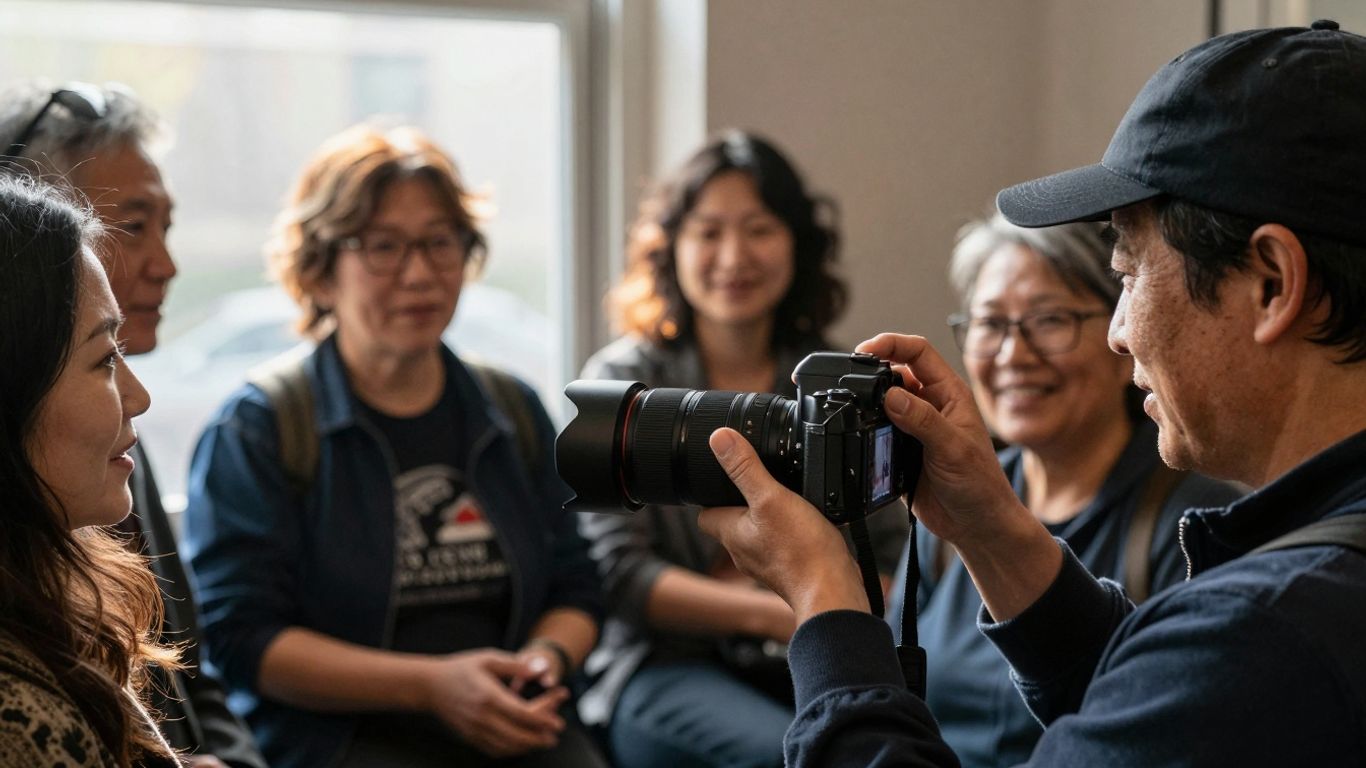
It often starts small, doesn't it? For many photographers, the journey into making it a career begins with a simple fascination. Maybe it's the way light hits a building just right, or the candid expressions people make when they think no one's looking. For me, it was wandering through Portland's neighborhoods, camera in hand, just trying to capture the everyday magic. You start noticing details you never saw before – the texture of old brick, the way someone holds their coffee cup, the quiet interactions on a bus. These everyday moments, often overlooked, become the building blocks of a unique visual language. It’s less about grand landscapes and more about the human element woven into the urban fabric.
The Virality of Behind-the-Scenes Interactions
When you start sharing your work, especially online, people connect with the process. They want to know how you got that shot, what the person was like, what happened just before or after. Showing the behind-the-scenes stuff – the awkward jokes, the quick adjustments, the shared laughter – builds a bridge. It makes the final image feel more earned, more real. It’s not just a polished product; it’s a story with a beginning, middle, and end. People seem to really dig that authenticity.
Embracing Nerves to Connect with Subjects
Getting people to relax in front of a camera isn't always easy. Even for the photographer, there can be nerves. Will they like the photos? Am I doing this right? But leaning into that slight discomfort, acknowledging it even, can actually help. It makes you more human, more relatable. When you’re trying to capture someone’s essence, it’s about connection, not perfection. You have to be willing to be a little vulnerable yourself to help them open up. It’s a dance, really, and sometimes the most genuine moments come when you’re both just figuring it out together.
Here’s a look at how that transition can happen:
- Initial Spark: A personal interest in photography, often starting with casual shooting.
- Skill Development: Learning the technical aspects, but more importantly, developing an eye for composition and light.
- Sharing and Feedback: Putting work out there, getting reactions, and learning from them.
- Client Interaction: Moving from photographing friends to taking on paid work, learning client communication.
- Professionalization: Establishing a business, refining workflows, and building a portfolio that reflects a specific style.
The shift from hobbyist to professional isn't just about getting paid; it's about a change in mindset. It's about understanding the impact your images have and taking responsibility for creating work that serves a purpose beyond personal satisfaction. It requires a commitment to craft and a genuine interest in the people you photograph.
Crafting Headshots That Tell a Story
The Collaborative Process of Portraiture
Think of getting your headshot taken not as a chore, but as a conversation. It’s a back-and-forth between you and the photographer. They’re not just there to point a camera; they’re there to help you show who you really are. It’s about building trust so you can relax and let your personality come through. A good photographer will watch how you move, how you react, and use that to guide the session. They’re looking for those little moments, the genuine smiles or thoughtful glances, that make a photo more than just a picture.
Unlocking Inherent Creativity Through Guidance
Most people don’t think of themselves as creative, especially when it comes to their professional image. But everyone has a creative spark. The photographer’s job is to help you find yours and put it on display. They might suggest different poses, play with lighting, or even just ask questions to get you thinking differently. It’s not about forcing a look, but about discovering one that feels right and shows your unique strengths. The goal is to make your headshot feel like an authentic snapshot of your professional self, not a stiff, posed formality.
Translating Goals and Hopes into Imagery
Before the camera even comes out, there’s a discussion. What do you want this photo to say? Are you aiming for approachability, expertise, or maybe a bit of both? Sharing your career goals and what you hope people will feel when they see your photo is key. The photographer then uses this information to shape the session. They’ll think about the background, the lighting, and your expression to create an image that aligns with your aspirations. It’s about making sure your headshot works for you, telling a story that opens doors.
A headshot is more than just a picture of your face; it's a visual introduction. It's the first impression you make online, and in today's world, that counts for a lot. Making sure it's genuine and tells your story is a smart move for anyone looking to connect with others professionally.
Investing in Your Authentic Image
So, you're thinking about getting new photos done for your professional life. It might seem like just another expense, but honestly, it's more like an investment. Think about it: your headshot is often the very first thing people see online, whether it's on LinkedIn, your company website, or even in a conference program. It's your digital handshake, and you want it to be a good one.
ROI Beyond the Resume: First Impressions and Credibility
This isn't just about looking good; it's about building trust. In today's world, people want to connect with real individuals, not just corporate logos. A genuine, recent photo tells people you're current and approachable. It adds a layer of credibility that a generic stock photo or an outdated picture just can't match. It's one of those things that works for you even when you're not actively working. A strong image can make a big difference in how quickly someone decides to engage with you or your business. It's about making that initial connection count, and that's something that pays off over time, much like a solid SEO strategy.
The Confidence Factor of Aligned Identity
There's a real psychological boost that comes from having a professional photo you actually like. When your outward appearance in your photos matches how you feel about yourself and your work, it shows. You feel more confident sending out proposals, attending interviews, or even just updating your online profiles. This self-assurance can be contagious, making others more likely to trust and connect with you. It’s about feeling good in your own digital skin.
Elevating Your Presence Through Genuine Representation
What does it mean to represent yourself genuinely? It means your photo should reflect who you are now, not who you were ten years ago or who you wish you were. It’s about capturing your personality and professionalism in a way that feels honest. This often means working with a photographer who understands how to draw that out, rather than just taking a standard snapshot. They help you find the right expression, the right lighting, and the right setting to tell your unique story. It’s a collaborative process, really, where your goals and their artistic vision come together.
The shift towards authenticity is huge. Consumers, clients, and employers are all looking for genuine connections. They want to see the real person behind the business. Showing up as yourself, imperfections and all, builds a stronger, more lasting trust than any polished facade ever could. It's about being true to who you are, right now.
Here's a quick look at what makes a good professional photo:
- Recency: Is the photo from the last year or two? Outdated photos can signal a lack of attention to detail.
- Clarity: Is the image sharp and well-lit? Blurry or dark photos are hard to connect with.
- Authenticity: Does the expression and style feel like you? Forcing a smile or a pose often looks unnatural.
- Professionalism: Does the overall image convey competence and trustworthiness for your field?
Investing in quality headshots is a smart move for anyone serious about their professional image. It's a tangible way to build credibility and make a positive first impression that lasts.
Make sure your personal brand shines through in every photo. Investing in your authentic image is key to making a lasting impression. Ready to capture your unique story? Visit our website to learn how we can help you present your best self.
The Real Deal in Portland Marketing
So, what's the takeaway from all this? It seems like the most effective marketing in Portland isn't about slick, overproduced ads. It's about getting down to earth, really looking at what makes this city and its people tick. It takes work, sure – digging into what folks actually care about, not just what we think they care about. When brands do that, when they show they've paid attention and understand the local vibe, that's when they connect. It’s about being honest, showing the real stuff, and letting the genuine spirit of Portland shine through. That’s how you make something that actually sticks.
Frequently Asked Questions
What makes a marketing campaign feel "authentic" in Portland?
Authentic campaigns in Portland aren't about faking it. They're about doing real work to understand the city and its people. This means digging deep, talking to locals, and showing things that truly matter to them, not just what outsiders *think* matters. It's about being real to the place and its residents.
Why is it important for Portland professionals to have "real" photos?
Portland professionals often value being genuine over being overly polished. Real photos show the true personality and strength of a person, which fits the local culture. It helps people connect with the professional by seeing who they really are, not just a stiff, fake image.
How do photographers capture the "essence" of Portland in their work?
To capture Portland's essence, photographers pay close attention to what makes the city unique. They learn about local interests, like food trucks or parks, and highlight those things. They avoid common stereotypes and instead focus on what genuinely resonates with people in the area to create a real connection.
What's the difference between a creative headshot and a regular one?
A creative headshot isn't just about looking good; it's about telling a story. It's made with a clear purpose, like choosing a specific background or expression to show a certain feeling. The goal is to make choices that match your personal story and brand, rather than just following trends. It's about being intentional.
How can someone get headshots that truly represent them?
Getting headshots that tell your story is a team effort. A good photographer will work with you, listen to your goals and hopes, and help you feel comfortable. They guide you to show your natural creativity and translate your dreams into pictures that feel honest and show who you really are.
Why is investing in authentic-looking photos a good idea for my career?
Investing in authentic photos is about more than just looking good; it's about making a strong first impression and building trust. When your photos match who you are, you feel more confident, and that confidence can help you in job interviews, networking, and building your career. It's a way to show your true self and stand out.


Comments
Post a Comment