Unveiling Portland's Soul: The Photographer’s Guide to Capturing Its Distinct Architectural Mood
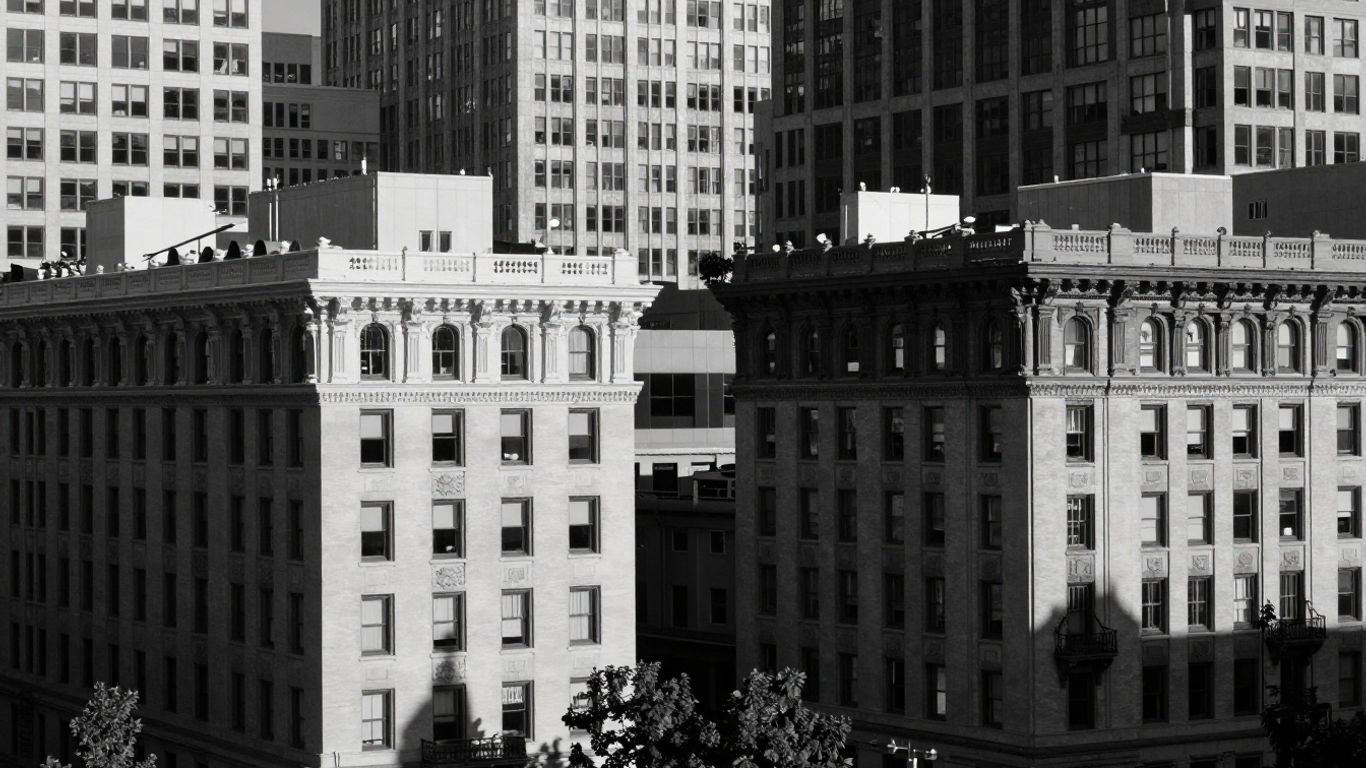
Portland has a look, a feel, you know? It's not just about the buildings, though they're pretty cool too. It's the vibe. This guide is all about helping you, the photographer, catch that specific Portland mood in your pictures. We'll talk about how the light hits the streets, how to frame your shots, and what makes Portland's architecture so unique. So grab your camera, and let's go find that soul.
Key Takeaways
- Portland's architecture tells a story, from old Victorian homes to modern industrial spaces. Look for these different styles.
- Natural light is your best friend here. Learn how to use it to make your city shots pop.
- Think about how you frame your photos. Simple compositions can often say the most.
- Pay attention to the details – the textures of brick, the feel of old wood. These things give photos character.
- Portland's spirit is in its buildings. Look for the unique, the sustainable, and the art that makes the city special.
Capturing Portland's Iconic Architectural Styles
Portland's architecture tells a story, a visual narrative woven from different eras and influences. It’s not just about buildings; it’s about the character they give to the city. When you’re looking to photograph Portland, understanding these distinct styles is your first step to really capturing its soul.
The Victorian Charm of Northwest Portland
Head to Northwest Portland, and you’ll feel like you’ve stepped back in time. This area is famous for its well-preserved Victorian homes. Think ornate gingerbread trim, steep gabled roofs, and wrap-around porches. These houses often have a certain warmth and grandeur. They’re usually painted in cheerful colors, standing out against the lush greenery that’s so typical of Portland. Photographing these homes is all about capturing their intricate details and the sense of history they hold. Look for the play of light and shadow on the detailed woodwork, especially during the golden hours of early morning or late afternoon. The mature trees in this neighborhood often create beautiful dappled light, adding another layer of visual interest.
Mid-Century Modern Gems in the Suburbs
Don't just stick to the city center; the surrounding suburbs hold some real treasures, especially if you’re into Mid-Century Modern design. These homes, often built between the 1950s and 1970s, are characterized by clean lines, large windows, and a connection to nature. You'll see low-pitched roofs, open floor plans (though you can't see that from the outside, of course), and a focus on natural materials like wood and stone. They often blend right into their landscape. When shooting these, focus on the geometric shapes and the way the architecture interacts with the environment. The large windows are a photographer's dream, offering opportunities to play with reflections and light. It’s a style that feels both timeless and forward-thinking.
Industrial Chic in the Pearl District
For a completely different vibe, the Pearl District offers a fantastic look at Portland's industrial past meeting its creative present. This area, once filled with warehouses and factories, has been transformed into a hub of lofts, galleries, and boutiques. The architecture here often retains elements of its industrial roots: exposed brick, large steel-framed windows, and sturdy concrete structures. The beauty of the Pearl District for photographers lies in the textures and the raw, honest feel of these buildings. Look for opportunities to contrast the old brickwork with modern additions, or capture the scale of the former industrial spaces. The light can be dramatic here, especially in the late afternoon when the sun casts long shadows across the brick facades. It’s a style that speaks to Portland's ability to reinvent itself while honoring its history. Capturing this style is a great way to showcase the city's evolving visual identity.
Portland's architectural tapestry is rich and varied, offering something for every photographer's eye. From the detailed elegance of Victorian homes to the sleek lines of mid-century designs and the robust character of industrial spaces, each style presents unique opportunities for compelling shots. Embracing these distinct looks is key to understanding the city's visual language.
The Photographer’s Guide to Portland's Distinct Architectural Mood
Capturing Portland's architectural vibe isn't just about pointing your camera at buildings; it's about understanding the light, the lines, and the feeling of the city. It's a place where nature and urban design often meet, creating unique photographic opportunities.
Embracing Natural Light for Urban Landscapes
Portland is famous for its cloudy days, but that doesn't mean you can't get great shots. In fact, overcast skies can be a photographer's best friend, providing soft, diffused light that's perfect for architectural details. This even lighting minimizes harsh shadows, allowing you to see textures and subtle color variations more clearly. Think of it as nature's own softbox. Early mornings and late afternoons, even on cloudy days, can still offer a beautiful, warm glow that wraps around buildings. Don't shy away from a little rain either; reflections on wet streets can add a whole new dimension to your photos.
Composition Techniques for Street Photography
When you're out shooting the streets, think about how the buildings frame the scene. Look for leading lines – roads, sidewalks, or even architectural elements that draw the viewer's eye into the photograph. The rule of thirds is always a good starting point, but don't be afraid to break it. Sometimes placing your subject dead center can create a powerful, symmetrical image. Consider the context: what else is happening around the building? A person walking by, a vintage car parked out front, or even a bit of street art can add a story to your architectural shots. Try different angles, too. Get low to emphasize height, or find a higher vantage point for a broader perspective.
Highlighting Textures and Materials
Portland's architecture is a mix of old and new, and the materials used tell a big part of the story. Look for the details: the weathered brick of an old warehouse, the smooth concrete of a modern structure, the intricate woodwork on a Victorian home, or the glass facades that reflect the sky. When the light is just right, it can really bring out the character of these surfaces. A slightly angled light, especially during the golden hours, can create shadows that define the texture of a wall. Don't just focus on the grand scale; sometimes the most compelling shots are close-ups of interesting patterns or unique material combinations.
The city's character is often found in the interplay between its structures and the environment. Pay attention to how buildings interact with the sky, the trees, and the people who inhabit the spaces around them. It's this relationship that truly defines Portland's architectural mood.
Beyond the Buildings: Portland's Creative Spirit in Architecture
Portland's architecture isn't just about bricks and mortar; it's a reflection of the city's vibrant, independent soul. You'll find this creative spirit woven into the very fabric of its structures, from the materials used to the artistic touches that make each building unique.
Sustainable Design and Green Architecture
Portland is a leader in eco-conscious building. Many structures incorporate green roofs, solar panels, and reclaimed materials. It’s a city that really cares about its environmental footprint, and you can see that commitment in the way buildings are designed to work with nature, not against it. Look for buildings that use natural ventilation or have rainwater harvesting systems – they’re not just functional, they’re beautiful examples of thoughtful design.
- Focus on natural light: Many green buildings are designed to maximize daylight, reducing the need for artificial lighting. This creates a more pleasant and airy atmosphere inside.
- Use of reclaimed and local materials: Think salvaged wood, recycled metal, and locally sourced stone. These materials add character and tell a story.
- Integration with landscape: Green architecture often blurs the lines between indoor and outdoor spaces, with living walls or gardens incorporated into the design.
The city's commitment to sustainability isn't just a trend; it's a core value that influences everything from large commercial projects to small residential builds. It’s about creating spaces that are good for people and good for the planet.
Public Art Integrated with Structures
Art isn't confined to galleries here; it's part of the urban landscape. You'll stumble upon sculptures adorning plazas, murals splashed across building facades, and even artistic elements integrated into street furniture. These pieces add color, personality, and a sense of place. They often tell stories about Portland's history, its people, or its quirky culture. Keep an eye out for collaborations between architects and local artists; these partnerships result in some truly memorable designs. For instance, some waterfront residences showcase how art can be a prominent feature, enhancing the overall aesthetic of a sophisticated waterfront residence.
The Influence of Local Artisans
Beyond the big picture, Portland's architecture benefits from the touch of local craftspeople. You can see the influence of artisans in the custom metalwork, unique tile patterns, and handcrafted fixtures found in many buildings. This attention to detail and dedication to quality craftsmanship adds a layer of authenticity that’s hard to replicate. It’s this blend of innovative design and skilled artistry that gives Portland's buildings their distinctive character. Whether it's a beautifully carved door or a custom-designed lighting fixture, these elements speak to the city's appreciation for handmade quality.
Navigating Portland's Neighborhoods for Architectural Shots
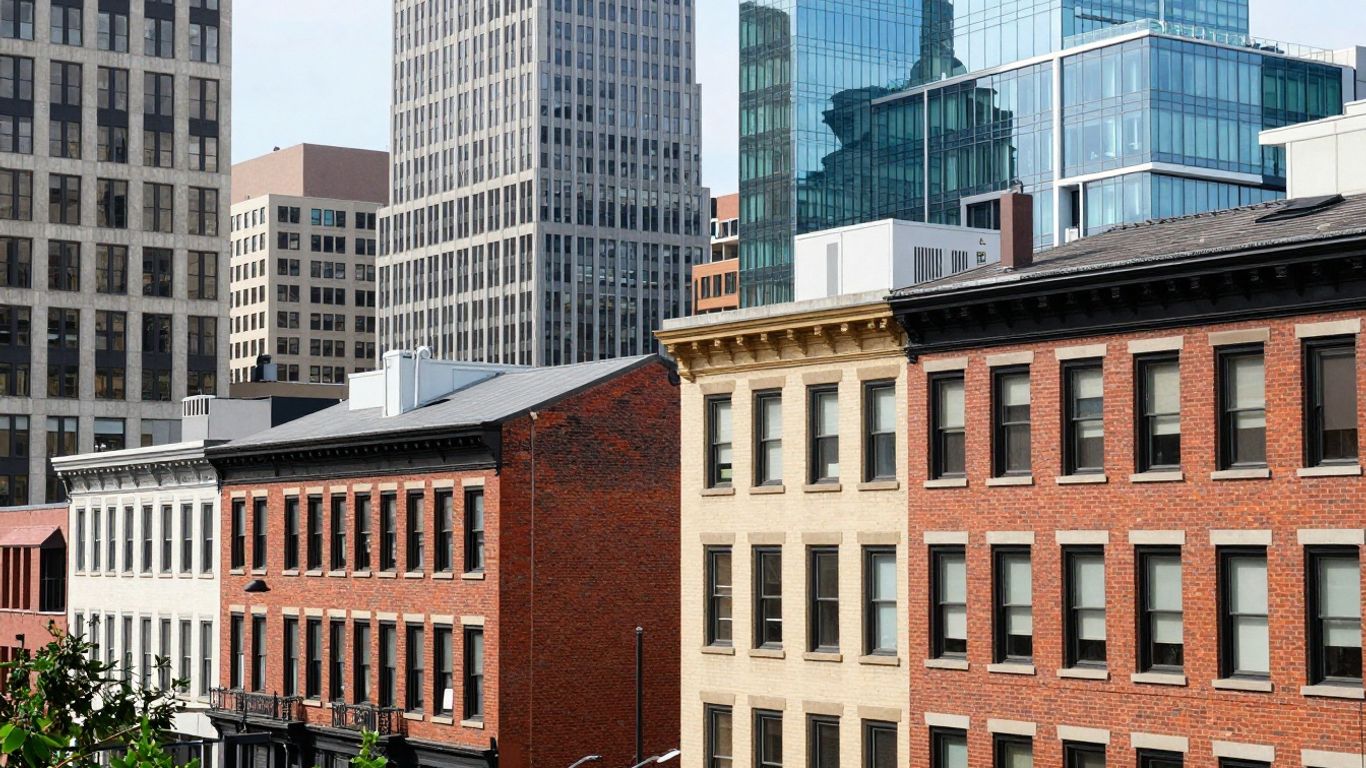
Portland's neighborhoods each have their own vibe, and that definitely shows in the buildings. If you're looking to capture some cool architectural shots, you've got to know where to go. Each area offers something a little different, from old-school charm to modern designs.
Downtown's Historic and Modern Mix
Downtown Portland is a real mix. You've got these grand, old buildings from the early 1900s standing right next to sleek, contemporary structures. It's a photographer's playground. Think about Union Station, for example; it's a classic beauty. Then you have the newer office buildings that play with glass and steel. The real magic happens when you find a spot where these different eras meet. It’s a great place to explore if you want to see Portland's architectural journey laid out before you. You can spend a whole day just wandering and finding these interesting contrasts. It’s a good idea to check out some of Portland's most celebrated architectural landmarks to get a feel for what's out there [a01e].
The Eclectic Vibe of Hawthorne
Hawthorne is known for its independent spirit, and that extends to its architecture. It’s less about grand statements and more about unique character. You'll find a lot of smaller, older homes, many with quirky additions or colorful paint jobs. There are also some really interesting commercial buildings along the main drag, often with vintage signage. It feels lived-in and authentic. It’s the kind of place where you might stumble upon a hidden gem down a side street. The vibe here is less formal, more about capturing the everyday beauty and personality of the neighborhood.
Residential Streets and Hidden Courtyards
Don't forget to venture off the main streets. Portland has some beautiful residential areas with tree-lined streets and charming houses. Many of these older homes have unique architectural details that are worth noticing. Keep an eye out for hidden courtyards or alleyways; sometimes the most interesting shots are found in unexpected places. These spots often have a quieter, more intimate feel. It’s about looking beyond the obvious and finding those little details that tell a story about the place and the people who live there.
Here are a few things to keep in mind when exploring:
- Look for unique details: Cornices, window frames, doorways, and even garden gates can make for great photos.
- Consider the time of day: Light changes everything. Early morning or late afternoon light can really bring out textures and add mood.
- Respect private property: While exploring, be mindful of where you are shooting. Stick to public spaces and be courteous to residents.
Capturing the soul of a neighborhood often means looking for the details that make it unique. It's not always the biggest or most famous building, but the small touches that give a place its character.
Technical Tips for Architectural Photography in Portland
Getting the right shot of Portland's buildings takes a bit of know-how. It's not just about pointing and clicking; you've got to think about your gear and how you use it. The right lens can make a huge difference in how you capture the city's character.
Choosing the Right Lenses for Cityscapes
When you're out shooting Portland's architecture, your lens choice really matters. A wide-angle lens is your best friend for getting those grand, sweeping shots of buildings and cityscapes. It lets you fit more into the frame, which is great for capturing the scale of downtown structures or the sprawling nature of some suburban homes. Think about getting something in the 16-35mm range for full-frame cameras, or the equivalent for your crop sensor. It helps you show the building in its environment.
On the other hand, a prime lens, like a 50mm or 85mm, can be super useful for isolating details. You know, those interesting textures on an old brick building or a unique window design? A prime lens often has a wider aperture, which is good for shooting in lower light and can give you a nice, blurred background to make your subject pop. It forces you to move your feet to compose the shot, which can lead to more thoughtful framing.
Understanding Exposure for Varied Light
Portland weather can be, well, Portland weather. You'll deal with bright, sunny days, but also plenty of overcast skies and that soft, diffused light that the city is famous for. This means you need to be smart about your exposure.
- Overcast Days: These are actually great for architectural shots because the light is even. You can often shoot handheld without worrying too much about harsh shadows. Just make sure your exposure is correct so you don't lose detail in the highlights or shadows.
- Sunny Days: Direct sun can create strong contrasts. You might want to shoot during the 'golden hour' – shortly after sunrise or before sunset – when the light is warmer and softer. Or, consider using a polarizing filter to cut down on glare and deepen colors.
- Mixed Lighting: Sometimes you'll have bright sun hitting one part of a building and deep shade on another. This is where bracketing your exposures (taking multiple shots at different settings) and combining them later in post-processing can be a lifesaver.
Getting the exposure right is about balancing the light. You want to capture the details without blowing out the bright spots or making the dark areas pure black. It's a constant dance with the light conditions.
Post-Processing for Architectural Mood
Editing is where you really bring your architectural photos to life and give them that distinct Portland mood. It's not about making things look fake, but about refining what you captured.
- Adjusting Contrast and Clarity: This helps bring out the textures of brick, wood, or metal. You can make old buildings look even more characterful or modern designs feel sharper.
- Color Correction: Portland has a certain color palette, often leaning towards natural tones. You might want to subtly adjust the white balance to reflect the mood of the day – cooler tones for a misty morning, warmer tones for a sunny afternoon.
- Straightening Lines: Buildings have straight lines, and if they're not straight in your photo, it can look off. Most editing software has tools to easily correct converging vertical lines, making your buildings look solid and true to their form.
- Dodging and Burning: This is an old-school technique where you selectively lighten (dodge) or darken (burn) areas of your image. It's great for guiding the viewer's eye to specific architectural features or adding a bit more drama to the scene.
The Soul of Portland: Capturing Its Unique Architectural Narrative
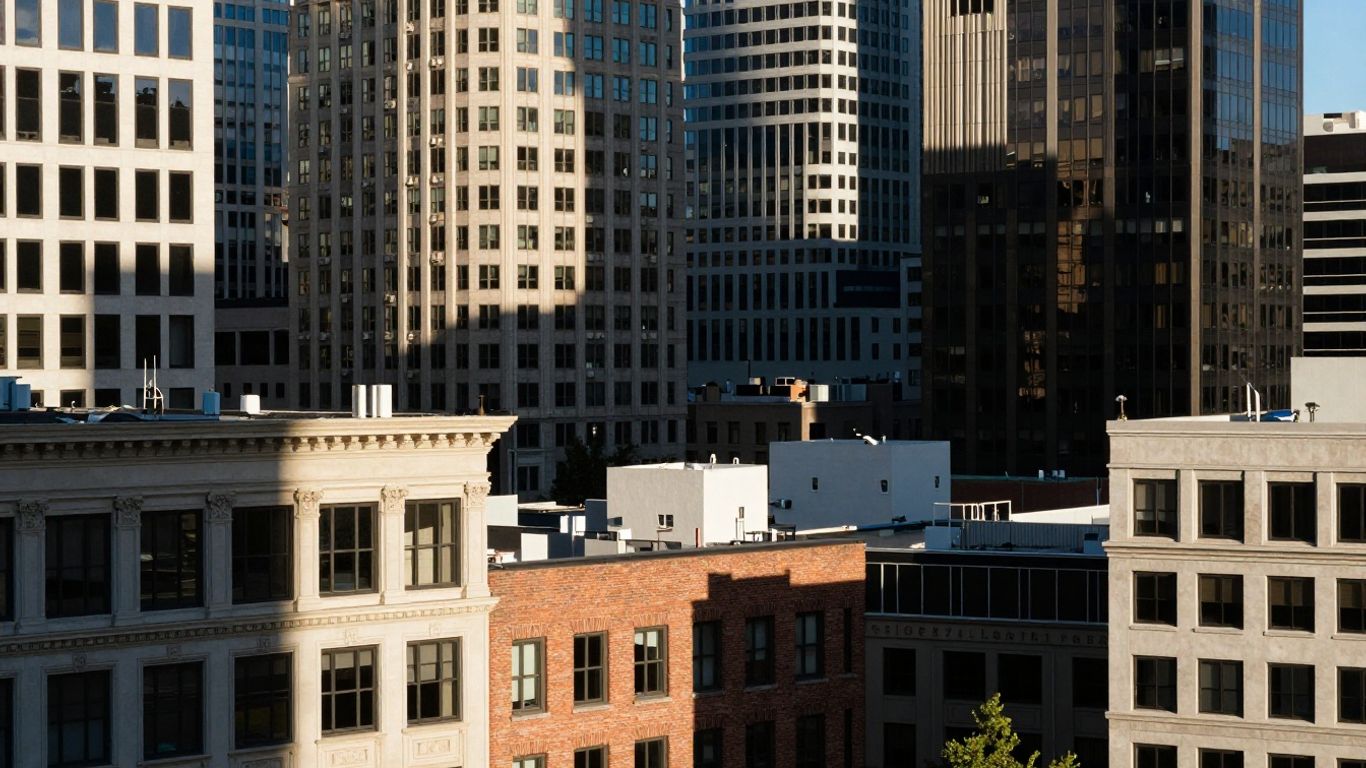
Portland's architecture tells a story, a narrative woven from threads of history, innovation, and a deep-seated independent spirit. It's more than just buildings; it's about how structures interact with the environment and the people who inhabit them. To truly capture the city's soul through your lens, you need to look beyond the facades and understand the underlying ethos.
Juxtaposing Old and New Structures
One of the most compelling aspects of Portland's architectural landscape is the way it blends the old with the new. You'll find historic Victorian homes standing proudly next to sleek, modern apartment buildings, or repurposed industrial warehouses housing trendy boutiques. This contrast isn't jarring; it's a conversation between eras. When photographing these scenes, try to frame them in a way that highlights this dialogue. Look for leading lines that draw the eye from a classic brick facade to a contemporary glass structure, or use reflections in modern windows to capture a piece of the past. It’s about showing how Portland respects its history while constantly looking forward.
Reflecting Portland's Independent Ethos
Portland is famous for its unique culture, often described as quirky, creative, and fiercely independent. This spirit is reflected in its architecture, from the small, owner-operated businesses with distinctive signage to the community gardens tucked away in unexpected places. You'll see this reflected in how Portland's marketing scene prioritizes authenticity, and it translates to the built environment too. Look for details that speak to this individuality: hand-painted signs, unique architectural flourishes, or buildings that seem to defy convention. These elements are the visual equivalent of Portland's
Portland's buildings tell a story, from old-school charm to modern designs. It's a city with a unique look that's fun to explore. Want to see more of Portland's cool buildings? Check out our website for amazing photos that capture the city's architectural spirit. Visit us today to discover the visual heart of Portland!
Keep Shooting, Keep Exploring
So there you have it, a little peek into what makes Portland's buildings tick. It's more than just brick and mortar, right? It's the stories they tell, the way the light hits them, and the unique vibe they give off. Whether you're a seasoned pro or just starting out with a camera, remember to look beyond the obvious. Portland's got layers, and the best shots are often found when you slow down, observe, and let the city's true character shine through your lens. Keep exploring, keep shooting, and most importantly, have fun with it.
Frequently Asked Questions
What makes Portland's architecture unique for photos?
Portland has a cool mix of old and new buildings. You'll find charming old houses with fancy details, sleek modern buildings, and even old warehouses turned into trendy spots. This variety means you get lots of different looks for your photos.
What's the best time of day to take pictures of Portland's buildings?
The light is super important! Early mornings and late afternoons offer softer, warmer light that makes buildings look their best. Overcast days are also great because they give you even light without harsh shadows, which is perfect for showing off textures.
Are there specific neighborhoods I should focus on for architectural photos?
Definitely! Downtown has a great mix of historic and modern structures. The Pearl District is known for its industrial vibe, while areas like Northwest Portland offer beautiful Victorian homes. Exploring different neighborhoods will give you a wider range of styles.
What kind of camera gear is best for shooting architecture?
A wide-angle lens is often helpful to capture whole buildings or cityscapes. A standard zoom lens is also useful for getting closer shots of details. Don't forget a tripod for steady shots, especially in low light.
How can I make my photos look more artistic and capture Portland's 'mood'?
Think about the feeling you want to create. Play with different angles, focus on interesting textures and materials, and try to show how the buildings fit into the city's vibe. Sometimes, including people or nature can add to the story.
Does Portland's weather affect photography?
Yes, it does! Portland is known for its rain and cloudy days, but these can create a moody, dramatic atmosphere that's perfect for certain types of architectural shots. Sunny days offer bright, crisp light. Embrace whatever the weather brings – it's part of Portland's character!


Comments
Post a Comment