Portland Food Shoot: Unveiling the Secrets of Light, Texture, and Flavor
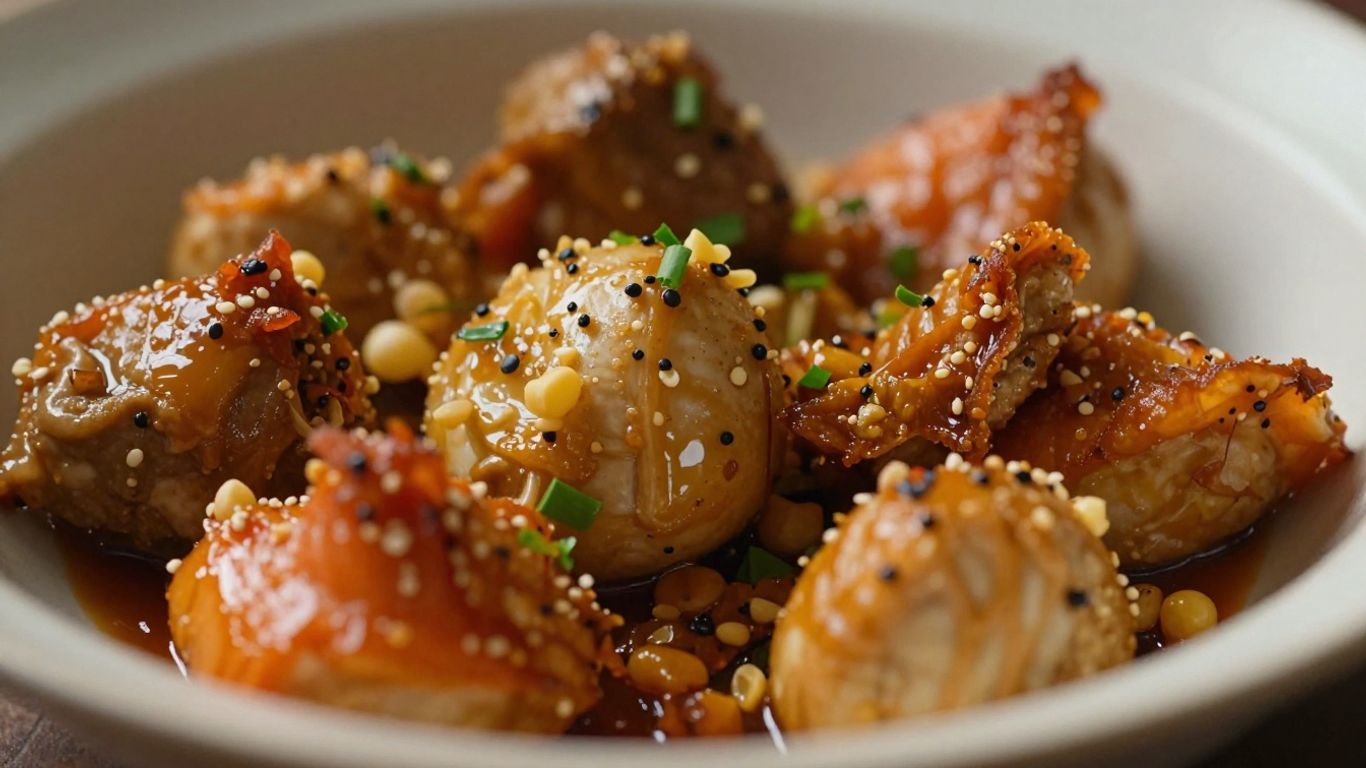
Portland's food scene is something else, right? It's not just about what's on the plate, but how it looks and feels. We're going to take a peek behind the curtain at a recent food shoot in Portland. We'll talk about how the photographers captured the city's food vibe, focusing on light, texture, and how it all comes together to make you want to take a bite. Get ready to see how they make food look amazing.
Key Takeaways
- Capturing Portland's food scene means showing off local ingredients and flavors.
- Understanding how light works, both natural and artificial, is key to making food look good.
- Showing the texture of food, whether it's crispy, smooth, or chewy, makes it more appealing.
- Colors and how food is arranged on the plate play a big role in how tasty it looks.
- The whole experience, from the restaurant's feel to the chef's story, adds to the food's appeal.
Capturing Portland's Culinary Essence
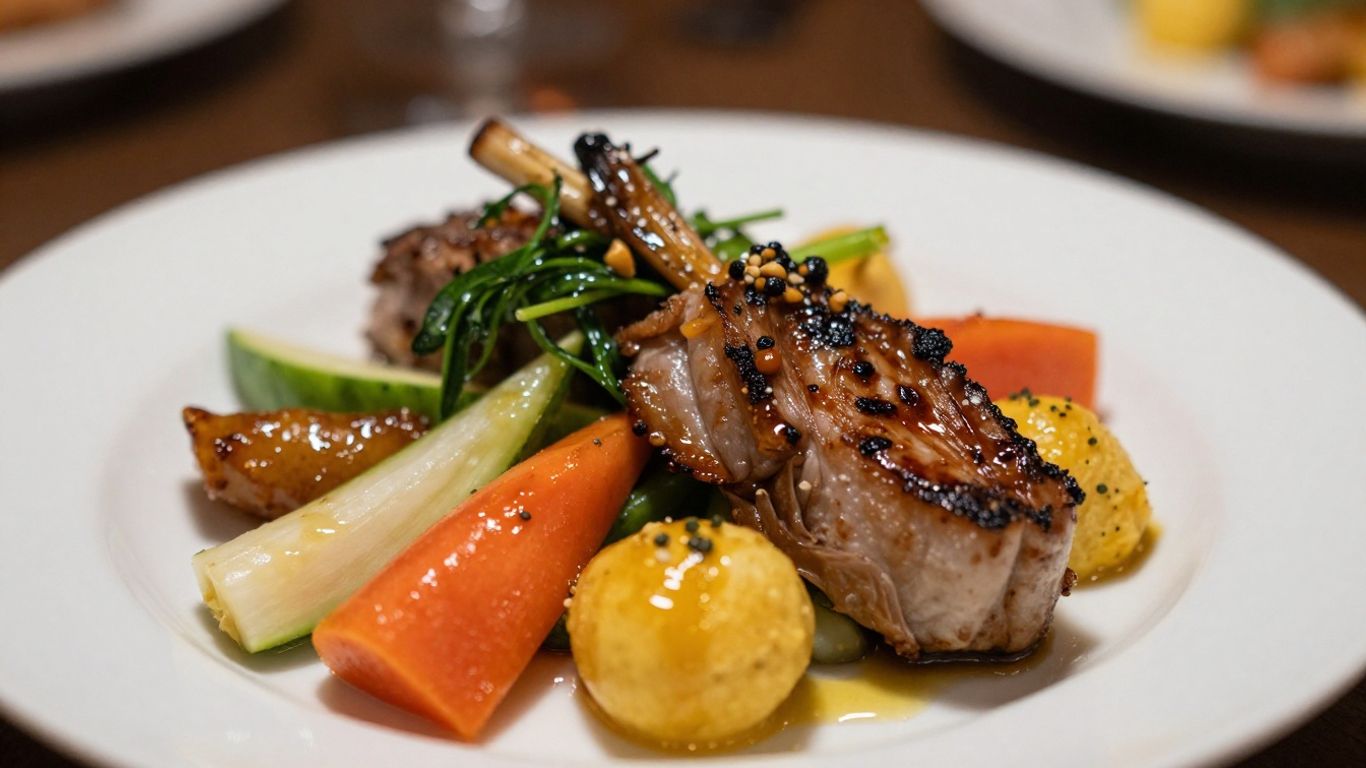
Portland's food scene is something else, isn't it? It's not just about what's on the plate; it's the whole vibe. We're talking about a city that really cares about where its food comes from and how it's prepared. This shoot was all about digging into that. We wanted to show off the real heart of Portland's kitchens, from the bustling markets to the quiet corners where chefs are doing their magic.
The Art of Food Photography in Portland
Photographing food here feels different. It’s like the city itself has a certain aesthetic that spills over into its restaurants and cafes. Think natural light, a focus on fresh ingredients, and a kind of unpretentious beauty. We spent a lot of time just observing, trying to get a feel for the place before even picking up a camera. It’s about understanding the visual language of Portland’s food culture. We looked at how chefs plate their dishes, the textures they play with, and the stories behind their menus. It’s a lot like capturing Portland's unique architectural mood, really – you have to pay attention to the details and the overall character.
Highlighting Local Flavors and Ingredients
One thing that kept coming up was the commitment to local. You see it everywhere, from the farmers' markets overflowing with produce to the menus that proudly list their suppliers. For this shoot, we made sure to spotlight ingredients that are quintessentially Portland. We wanted to show the vibrant colors of fresh berries, the earthy tones of local mushrooms, and the shine on perfectly grilled fish. It’s about making the food look as good as it tastes, and for Portland, that means showing off its fresh, local bounty.
Behind the Scenes of a Portland Food Shoot
So, what does a food shoot actually look like in Portland? It’s a mix of planning and going with the flow. We’d often start early, catching the best natural light. Sometimes, it meant working in a busy restaurant kitchen, trying to get those action shots without getting in the way. Other times, it was a more controlled studio setup, focusing on the intricate details of a single dish. We learned pretty quickly that:
- Patience is key: Food styling takes time, and sometimes you have to wait for the perfect moment.
- Teamwork makes the dream work: The chef, the stylist, and the photographer all have to be on the same page.
- Embrace the unexpected: Sometimes the best shots happen when things don't go exactly as planned.
We found that the best way to capture the true spirit of Portland's food was to be present and observant, letting the environment and the food itself guide the process. It’s less about forcing a look and more about discovering it.
Mastering Light and Shadow
Light is everything when you're trying to make food look good in photos. It's not just about seeing the dish; it's about how the light hits it, making some parts bright and others dark. This play between light and shadow is what gives a photo depth and makes it feel real, like you could almost reach out and grab that crispy bit of fried chicken or that creamy scoop of ice cream.
Natural Light Techniques for Food
Working with natural light, like from a window, is often the go-to for food photographers. It's soft and forgiving. The trick is to position your food so the light hits it from the side or slightly behind. This creates nice highlights and gentle shadows that define the food's shape and texture. Avoid direct overhead light, which can make things look flat and unappealing. Think about diffusing the light too, maybe with a thin white curtain or a piece of parchment paper, to soften it even more. It makes a big difference.
Here's a quick rundown of how to use window light:
- Side Lighting: Light comes from the side, creating dimension. This is usually the most flattering.
- Backlighting: Light comes from behind the food. This can make translucent items glow and create a nice rim light.
- Front Lighting: Light comes from the front. Use this sparingly, as it can flatten the image. It's best for showing off bright colors.
- Diffusing: Soften harsh light with a sheer curtain or diffuser panel.
- Reflecting: Use a white card or reflector to bounce light back into the shadows, filling them in.
Artificial Lighting for Ambiance
Sometimes, natural light just isn't enough, or you're shooting at night. That's where artificial lights come in. You can use simple lamps with diffusers, or more advanced strobes. The goal is to mimic natural light or create a specific mood. For a cozy, warm feel, use lights with a warmer color temperature. For a clean, modern look, cooler tones work well. Don't be afraid to experiment with different light sources and modifiers to see what works best for your specific dish.
Creating Depth with Shadows
Shadows aren't the enemy; they're your friend in food photography. They give food form and make it look three-dimensional. A deep shadow can make a dish look dramatic and rich, while lighter shadows can add subtle definition. Think about where the light source is coming from and how that will cast shadows. Sometimes, you might want to intentionally block light in certain areas to create more dramatic contrast. It's all about guiding the viewer's eye and making the food look inviting.
The way light falls on food can tell a story. A bright, airy scene might suggest freshness and health, while deep, moody shadows could hint at indulgence and richness. Understanding this connection helps you control the narrative of your photograph.
The Texture of Taste
Texture in food photography is all about making people feel what they're seeing. It's not just about how something looks, but how you imagine it would feel in your mouth. Think about that satisfying crunch of a perfectly fried piece of chicken, or the smooth, yielding quality of a rich chocolate mousse. Capturing that tactile sensation visually is key to making food look truly appetizing.
Showcasing Crispy, Creamy, and Chewy
Different textures require different approaches. For crispy items, you want to highlight sharp edges and maybe even show a bit of breakage, suggesting that satisfying snap. Think about how light hits those edges. For creamy things, you're aiming for smooth surfaces, perhaps a gentle swirl or a soft sheen that hints at its luxurious mouthfeel. Chewy textures can be a bit trickier; sometimes showing a slight pull or stretch, like with melted cheese, works wonders. It’s about understanding the inherent quality of the food and finding the best way to represent it.
- Crispy: Look for sharp lines, golden-brown edges, and maybe even a few crumbs to suggest a satisfying crunch.
- Creamy: Focus on smooth, unbroken surfaces. A gentle highlight can show off its richness without looking greasy.
- Chewy: Think about elasticity. A slight pull, like with taffy or melted cheese, can communicate this texture well.
- Flaky: Layers are your friend here. Show the delicate separation of pastry or fish.
Using Focus to Emphasize Texture
Focus is a photographer's best friend when it comes to texture. A shallow depth of field can blur out distracting backgrounds, drawing the viewer's eye directly to the food and its intricate details. You might choose to have the very edge of a crispy crust in sharp focus, while the inside is slightly softer, or let the smooth surface of a sauce be the sharpest point. This selective focus guides the viewer's perception, telling them exactly where to look and what to appreciate about the food's physical makeup. It’s a subtle but powerful tool.
The way light interacts with the surface of food tells a story about its texture. A rough surface will scatter light differently than a smooth one, creating distinct visual cues that our brains interpret as tactile sensations.
The Role of Surface and Finish
Don't forget about the surface! Is it glossy, matte, rough, or smooth? A shiny glaze on a donut or a matte finish on a piece of bread tells a different story. The way light reflects or is absorbed by the surface dramatically impacts how we perceive its texture. A well-placed highlight can make something look wet and juicy, while a lack of reflection might suggest a dry, crumbly texture. Paying attention to these details, like the subtle sheen on a piece of freshly baked bread, can make all the difference in making food look as good as it tastes.
Flavor Through Visuals
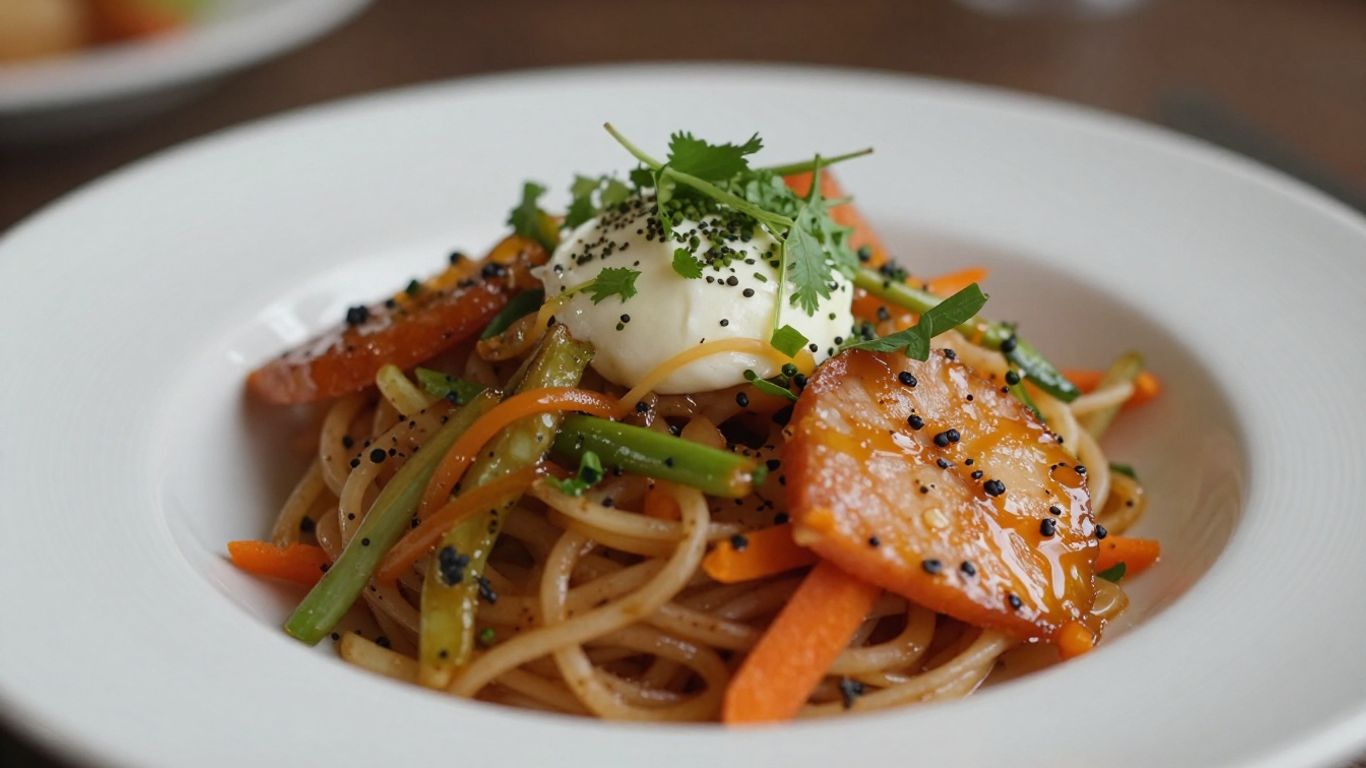
Making food look delicious in photos is all about tricking the eye into tasting it. It’s not just about snapping a picture; it’s about creating a visual story that makes someone’s mouth water. We’re talking about how colors, how things are arranged, and even the shapes on the plate can make a dish seem more appealing. The goal is to make the viewer feel the flavor.
Color Palettes That Evoke Taste
Color is a huge part of how we experience food. Think about it: bright red strawberries just scream sweetness, right? Or that deep green of fresh basil? It’s like our brains are already wired to associate certain colors with certain tastes. In food photography, we play with this. We want to make sure the colors in the photo are true to life, or sometimes even a little more vibrant, to really bring out the dish's character. A well-chosen color scheme can make a simple salad look incredibly fresh or a rich dessert look decadent.
Here’s a quick look at how colors can hint at flavors:
- Reds & Oranges: Often suggest sweetness, spice, or warmth (think tomatoes, peppers, citrus).
- Greens: Usually mean freshness, earthiness, or herbaceous notes (like herbs, leafy greens, avocado).
- Browns & Golds: Can indicate richness, caramelization, or roasted flavors (coffee, chocolate, baked goods).
- Whites & Creams: Might suggest dairy, subtle sweetness, or a clean taste (rice, cheese, whipped cream).
Composition and Appetizing Presentation
How you arrange the food on the plate, and how you frame that plate in your shot, makes a big difference. It’s like setting a stage for your food. We want to guide the viewer’s eye to the best parts of the dish. Sometimes that means leaving some negative space so the food can really stand out, or using props that complement the meal without distracting from it. A good composition makes the food look intentional and cared for, which naturally makes it look more delicious. It’s about showing the food in its best light, making it look like something you’d absolutely want to order.
The Psychology of Food Appeal
There’s a whole science behind why we find certain food photos more appealing than others. It’s not just about good lighting or pretty colors. It’s about how the image makes us feel. Think about a perfectly plated dish versus a messy one. The plated dish suggests care and quality. We also react to textures – a crispy edge looks more inviting than a soggy one. Even the background and the way the food is served can play a role. For instance, seeing a dish served in a rustic bowl might make us think of comfort food, while a sleek, modern plate might suggest fine dining. It’s all about creating a visual experience that taps into our desires and expectations for a great meal. Capturing the essence of a dish involves understanding these subtle cues, much like understanding the foundation for capturing delicious images.
We're essentially trying to create a visual shortcut to satisfaction. The image needs to promise a delicious experience, making the viewer anticipate the taste and texture before they even take a bite. It’s a delicate balance of showing the food accurately while also making it look utterly irresistible.
Portland's Unique Food Scene
Portland's food scene is something else, isn't it? It's not just about eating; it's about the whole experience. You've got everything from fancy dining to super casual spots, and they all seem to have their own vibe. What really sets Portland apart is how many places focus on local ingredients and really creative dishes. It feels like every chef here is trying to do something new and exciting.
Iconic Dishes and Their Stories
Portland has some dishes that people talk about for ages. Take the spicy noodles with minced pork from Sichuan Kitchen, for example. It's one of those things you just crave. Or the fried wings at Honey Paw – they hit that perfect sweet, spicy, and savory note. Then there's the corned beef hash at Palace Diner; folks will drive a good distance and wait for a table just for that. It's that kind of dedication to a specific dish that makes Portland special. Even a simple BLT can be elevated, like the one at LB Kitchen, which they call 'a BLT on steroids' because of the fresh, healthy ingredients.
Restaurant Ambiance and Dining Experience
It's not just the food, though. The places themselves matter. You've got spots like David's Opus Ten, known for incredible small bites and wine pairings, perfect for a long, leisurely meal. Back Bay Grill is another place that feels special, a spot for celebrations. And then there are the more intimate, cozy places like Bresca, where you can sit at the bar and just enjoy the food and wine. Even a takeout spot like Bahn Appetit is praised for its honest, straightforward cooking. It shows that the dining experience can come in many forms.
Local Chefs' Perspectives on Flavor
What do the chefs themselves think? Well, they often talk about simplicity and quality. For instance, the soba noodles at Yosaku are praised for being perfect – no unnecessary flavors, just good ingredients and presentation. Others highlight the importance of technique, like with bread making, where the schedule and how you work the dough are as important as the flour and water. It’s about respecting the ingredients and letting their natural flavors shine. You see this in desserts too, with places like Onggi using fresh, local ingredients in creative ways, or Dear Dairy making ice cream with unique flavors and an almost chewy texture that's unlike anything else. It's this attention to detail and passion that makes the food here so memorable. You can find some truly amazing local food photography that captures this essence.
Portland's food scene is truly one-of-a-kind! From quirky food trucks to fancy restaurants, there's always something new and exciting to taste. You can find amazing dishes everywhere, making it a paradise for anyone who loves to eat. Want to see more of what makes Portland's food so special? Visit our website to explore the delicious world of Portland's food photography!
Wrapping It Up
So, there you have it. Portland's food scene is really something else, isn't it? We've talked about how the way food looks, how it feels in your mouth, and, of course, how it tastes all come together. It’s more than just eating; it’s an experience. Whether you're trying a new spot or revisiting an old favorite, remember to pay attention to those details. It makes all the difference. Keep exploring, keep tasting, and enjoy all the amazing flavors Portland has to offer.
Frequently Asked Questions
What makes Portland's food scene special for photos?
Portland is known for its amazing food, from fancy restaurants to food trucks. This means there are lots of cool dishes and ingredients to photograph. Plus, many places have great lighting and cool decorations that make food pictures look even better.
How important is light in food photography?
Light is super important! It's like the spotlight for your food. Good light can make food look fresh and yummy. Using natural light from a window or setting up your own lights helps show off the food's colors and shapes, making it look delicious.
Why do food photos need to show texture?
Texture is what makes food interesting to eat. Think about how a crunchy chip looks different from smooth ice cream. Showing textures like crispy, creamy, or chewy in photos makes people imagine what the food would feel like in their mouth, making it more appealing.
How can colors make food look tastier in pictures?
Colors play a big role! Bright, natural colors like those in fresh fruits and vegetables make food look healthy and delicious. A good mix of colors in a dish, like red tomatoes with green herbs, can make a photo really pop and make you want to eat it.
What's the secret to arranging food so it looks good?
It's all about how you place the food on the plate and in the photo. Think about making the plate look balanced and interesting. Sometimes adding a small garnish or making sure the main part of the dish is clear makes it look much more inviting and professional.
Are there specific Portland dishes that are great for photos?
Portland has so many unique foods! From colorful donuts and gourmet burgers to fresh seafood and creative vegan dishes, there's always something visually exciting. The way local chefs present their food, often using local ingredients, makes them perfect subjects for photos.


Comments
Post a Comment