Unlocking the Secrets: The Science of Mouthwatering Images in Portland Food Photography
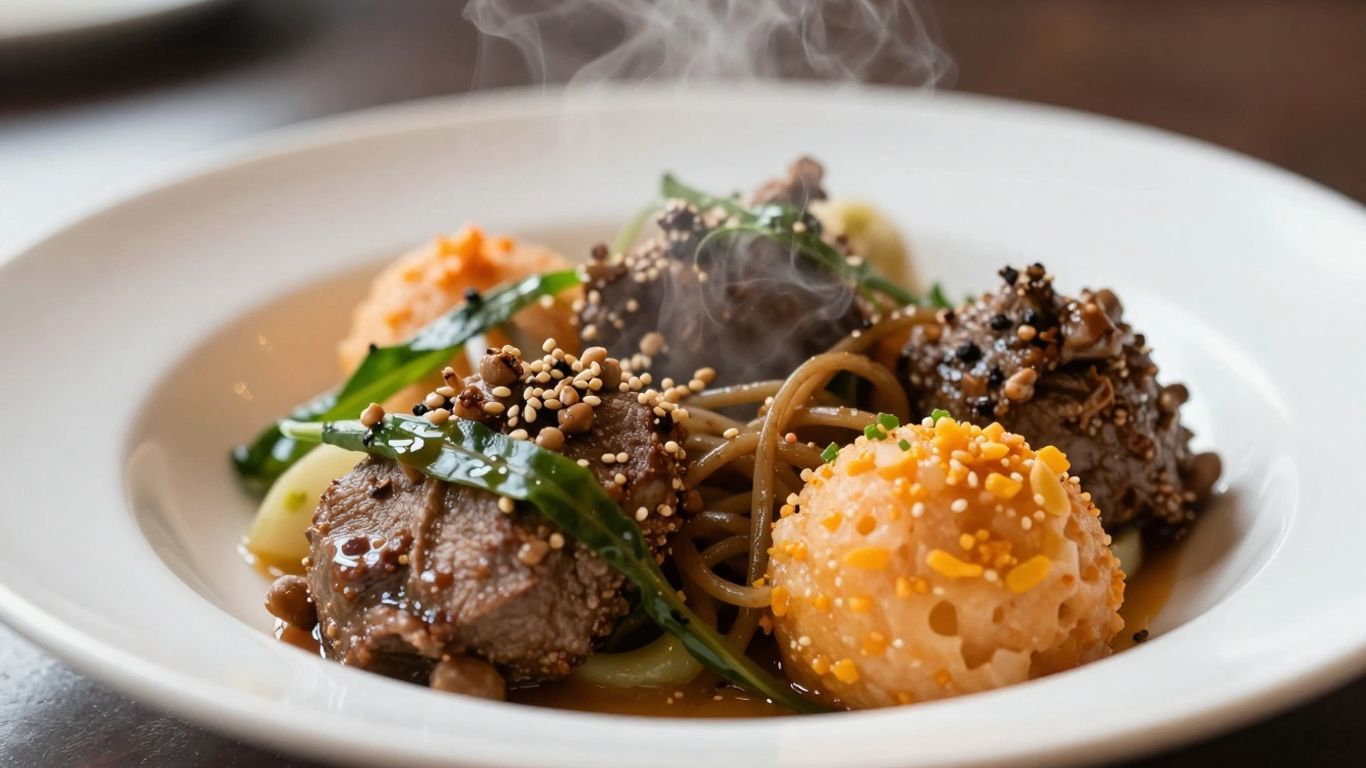
Portland's food scene is something else, right? It’s not just the taste, but how it looks. This article is all about why food photos from Portland are so darn good and what makes them pop. We're going to chat about the science behind those mouthwatering pictures and what makes them special. Think light, color, how things are arranged – all that stuff that makes you want to reach right into the photo and grab a bite. It’s more than just snapping a pic; it’s about showing off the food in a way that makes your stomach rumble.
Key Takeaways
- Portland's food photography stands out because it captures the city's unique culinary vibe.
- Understanding how light and color affect how we see food is key to making photos look tasty.
- Showing off the food's texture and details makes it more appealing.
- The way food is presented, using props and telling a story, really draws people in.
- Simple editing can make good food photos even better, making them look more real and delicious.
The Art And Science Of Capturing Portland's Culinary Scene
Visualizing Flavor: The Role of Photography in Food Appreciation
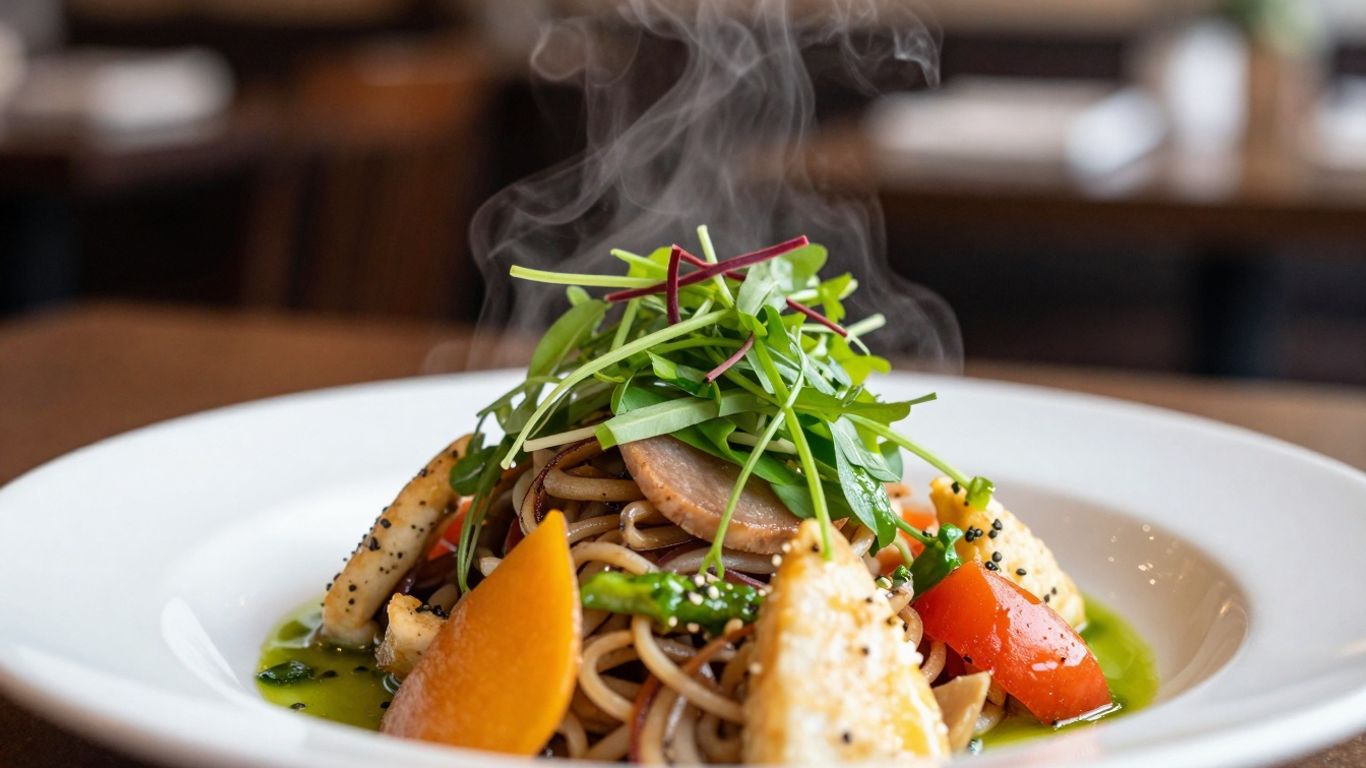
Food photography is more than just pretty pictures; it's about making people feel something. It’s the first bite before you even taste it. In Portland, where the food scene is so vibrant and diverse, photography plays a huge role in how we connect with dishes. A good photo can make you crave something you've never even tried before. It’s about showing off the freshness, the care, and the creativity that goes into every plate. The goal is to translate the deliciousness from the plate to the screen.
Beyond the Plate: How Images Influence Our Perception of Taste
Ever scrolled through Instagram and suddenly felt hungry? That’s the power of food imagery. Studies show that what we see can actually change how we perceive taste and smell. A photo that looks warm and inviting might make food seem sweeter, while one with vibrant colors can make it appear fresher. It’s a bit of visual trickery, but it works. For Portland's chefs, this means the presentation in a photo is almost as important as the taste itself. It’s about setting expectations and creating a desire.
Portland's Unique Food Identity: A Photographer's Canvas
Portland has this really distinct food culture. It’s known for being innovative, often with a focus on local ingredients and a bit of a quirky, unpretentious vibe. This makes it a fantastic place for food photographers. You're not just shooting fancy restaurant meals; you're capturing everything from food carts to farm-to-table experiences. The city's own visual character, with its mix of old and new architecture, also provides a great backdrop. Photographers here often find inspiration in the city's unique architectural mood, using it to tell a story about the food.
Here’s what makes Portland’s food scene a photographer’s dream:
- Local Ingredients: The emphasis on fresh, seasonal produce offers incredible color and texture.
- Diverse Eateries: From bustling markets to cozy cafes, there’s a wide range of settings.
- Chef Creativity: Portland chefs are known for their artistic plating and willingness to experiment.
- Casual Atmosphere: The relaxed dining culture often translates into more approachable and relatable food photos.
The visual language of food in Portland is often about authenticity and a connection to the source. It’s less about stuffiness and more about genuine flavor and experience. This authenticity is what photographers strive to capture, making the images feel real and inviting.
Mastering Light and Composition for Appetizing Food Photos
Getting food to look good in a photo is more than just pointing a camera and clicking. It’s about understanding how light plays on surfaces and how to arrange elements within the frame to make someone’s stomach rumble. Think about it: a perfectly lit, well-composed shot can make even a simple dish look like a work of art. It’s about creating a visual story that hints at the flavors and textures waiting to be experienced.
The Psychology of Color in Food Photography
Colors have a big impact on how we feel and what we think about food. Warm colors like reds, oranges, and yellows often make us feel hungry and excited. They can make food look more vibrant and appealing. Cool colors, like blues and greens, can sometimes have the opposite effect, making food seem less appetizing unless used carefully. For example, a bright red strawberry pops against a cool blue background, making it look even more delicious. Understanding these color associations helps photographers make choices that naturally draw the viewer in.
Here’s a quick look at common color associations:
- Red: Energy, passion, appetite stimulation (think berries, tomatoes, meats).
- Orange: Warmth, enthusiasm, health (carrots, pumpkins, citrus).
- Yellow: Happiness, optimism, freshness (lemons, corn, bananas).
- Green: Nature, health, freshness (salads, herbs, vegetables).
- Brown: Earthiness, comfort, richness (bread, chocolate, coffee).
Natural vs. Artificial Light: Achieving the Perfect Glow
Light is probably the most important tool in a food photographer's kit. Natural light, like the kind you get near a window on a cloudy day, is often the best. It’s soft, diffused, and gives food a natural look. It’s also pretty forgiving. Artificial light, like studio strobes or even household lamps, gives you more control. You can shape it, direct it, and use it anytime, day or night. The trick is to make artificial light look as natural as possible. This often involves using diffusers and reflectors to soften harsh shadows and mimic the gentle quality of daylight. Getting that perfect glow is all about how you manipulate the light source.
The goal is to make the food look inviting and real, not overly processed or fake. It's about capturing the essence of the dish in a way that makes you want to reach out and take a bite.
Framing the Feast: Compositional Techniques for Impact
Composition is how you arrange the elements in your photo. It guides the viewer's eye and tells the story of the dish. Simple rules can make a big difference. The rule of thirds, for instance, suggests placing your main subject off-center, along imaginary lines that divide the frame into thirds both horizontally and vertically. This often creates a more dynamic and interesting image than simply centering the subject. Leading lines, like the edge of a plate or a fork, can draw the viewer into the photo. Negative space, or the empty areas around your subject, can help your food stand out and give the image a clean, uncluttered feel. Thinking about how you frame your subject is key to making a memorable image. For a deeper dive into how Portland's unique food scene is captured, check out Portland's marketing scene.
Here are a few common compositional approaches:
- Rule of Thirds: Place key elements along intersecting lines or at intersections.
- Leading Lines: Use natural lines within the scene to guide the viewer's eye.
- Symmetry: Create balance and order by placing elements evenly on either side of a central axis.
- Fill the Frame: Get close to your subject to emphasize details and textures.
Highlighting Texture and Detail in Portland Food Photography
Macro Photography: Revealing the Intricacies of Ingredients
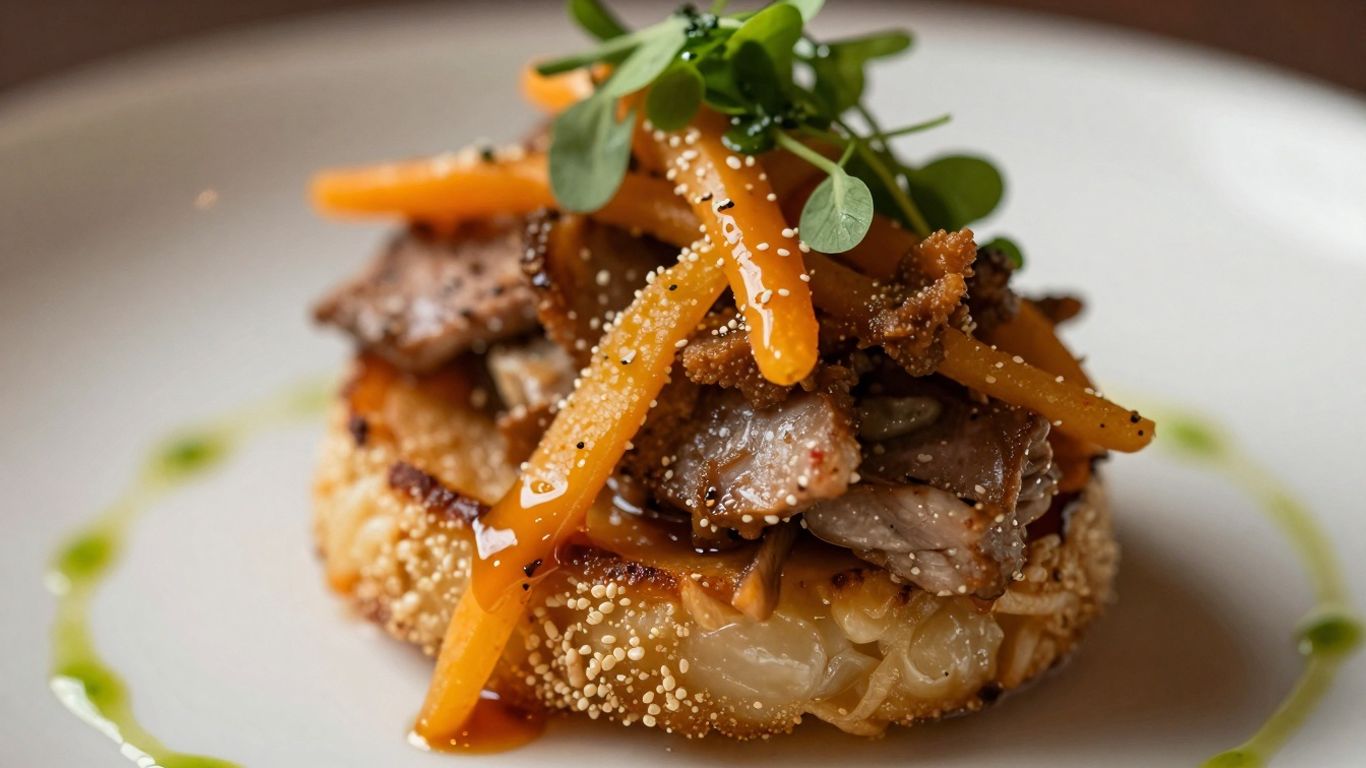
Sometimes, the most compelling part of a dish isn't the whole thing, but the tiny details. Think about the way steam curls off a perfectly seared scallop, or the glistening seeds in a slice of fresh-baked bread. Macro photography lets us get super close, showing off these little wonders. It’s about making the viewer feel like they can almost touch the food. In Portland, where chefs often focus on fresh, local ingredients, capturing the natural beauty of things like dew on a berry or the rough skin of a roasted beet can really make a photo pop.
Capturing the Sizzle: Freezing Action for Dynamic Shots
Food isn't always static. Sometimes, the action is what makes it exciting. Think about a chef flipping a pancake, sauce being drizzled, or a cocktail being shaken. Freezing these moments in time with a fast shutter speed can create really dynamic and engaging images. It adds a sense of energy and freshness to the photo. For Portland's vibrant food scene, capturing these little bursts of activity – like a barista pouring latte art or a baker pulling a steaming loaf from the oven – tells a story of the food being made with care and skill.
The Importance of Depth of Field in Food Imagery
Depth of field is basically how much of your photo is in focus. Using a shallow depth of field, where only a small part is sharp and the background is blurry, helps guide the viewer's eye. It makes the main subject, like a beautifully plated dish, really stand out. This technique is great for isolating a specific ingredient or texture, making it the undeniable star of the shot. In Portland, where presentation is often as important as the taste, playing with depth of field can really make a dish look special and professional.
Getting the texture and detail right is what separates a good food photo from a great one. It’s about making the viewer’s senses come alive just by looking at the image. Think about the crunch of a potato chip, the creaminess of a sauce, or the flaky layers of a pastry. These are the things that make us hungry, and photography can bring them right to us.
Here’s a quick look at what makes textures pop:
- Surface Roughness: Think crusty bread, roasted vegetables, or grilled meats. These need light that highlights their uneven surfaces.
- Moisture Content: Shiny glazes, juicy fruits, or sauces add a different kind of appeal. Capturing that sheen is key.
- Layering and Structure: Think flaky croissants, stacked pancakes, or layered cakes. Showing these distinct layers draws the eye in.
When you’re shooting food in Portland, remember that the ingredients themselves often have amazing textures. Don't be afraid to get up close and personal with your camera to show them off.
The Science of Mouthwatering Images: What Makes Portland Food Photography Stand Out
Understanding Food Appeal: A Scientific Approach
It's more than just pretty pictures, right? When we look at a food photo, our brains are doing a lot of work. We're subconsciously assessing freshness, flavor, and even texture based on visual cues. Think about it: a slightly dewy salad leaf looks more appealing than a dry, wilted one. A photo that captures the right sheen on a piece of fruit or the subtle char on grilled vegetables taps into our primal desire for good food. This isn't magic; it's psychology and biology working together. Photographers in Portland are getting really good at understanding these triggers.
Portland's Culinary Innovation and Its Photographic Representation
Portland's food scene is known for being a bit experimental, right? You've got everything from hyper-local ingredients to global fusion. This means photographers have a lot to work with. They're not just shooting a burger; they're shooting a story about where that beef came from, how it was prepared, and the chef's unique take on it. This innovation translates visually. Think about how a photographer might capture the vibrant colors of a farm-to-table salad or the intricate plating of a molecular gastronomy dish. It’s about showing the creativity and the passion that goes into Portland's food.
The Impact of Storytelling in Food Photography
Beyond just making food look tasty, great food photography tells a story. It can transport you. A picture of a steaming bowl of ramen might evoke feelings of comfort and warmth, while a shot of a perfectly arranged charcuterie board could suggest a lively gathering with friends. In Portland, where community and local sourcing are big deals, photographers often focus on:
- The Source: Showing off fresh, local ingredients or the farmers who grew them.
- The Process: Capturing a chef's hands at work, a slow-cooked dish bubbling away, or the final flourish of plating.
- The Experience: Hinting at the atmosphere of the restaurant or the joy of sharing a meal.
A well-told visual story makes the food more memorable and desirable. It connects the viewer to the dish on a deeper level than just its appearance alone. It's about creating an emotional link.
This approach helps distinguish Portland's food photography, making it feel authentic and engaging, much like the city's food culture itself.
Styling and Presentation: Elevating Portland's Dishes
It's not just about the food itself, right? How it looks on the plate, the little details around it – that's a huge part of the experience. In Portland, where food is often about creativity and local sourcing, styling and presentation really matter. It's how we tell the story of the dish before anyone even takes a bite.
The Role of Props and Backgrounds
Think about what's around the food. Are we shooting a rustic farm-to-table dish? Maybe some reclaimed wood, a linen napkin, and a few sprigs of fresh herbs would work. Or is it a fancy, modern creation? Perhaps a clean, minimalist background with a single, striking prop would be better. The goal is to add context and visual interest without distracting from the main event: the food. It's about creating a mood. For example, a warm, slightly worn wooden table can make a hearty stew look even more comforting. On the flip side, a sleek, dark surface might make a vibrant salad pop.
Here are a few ideas for props and backgrounds:
- Natural Elements: Fresh herbs, edible flowers, seasonal fruits or vegetables that complement the dish.
- Textiles: Linen napkins, rustic placemats, or even a simple, textured tablecloth.
- Tableware: Unique plates, bowls, cutlery, or glassware that match the restaurant's style.
- Backgrounds: Textured walls, wooden surfaces, slate, or even a simple, out-of-focus scene.
Working with Chefs to Showcase Their Creations
Photographers and chefs are a team here. A good chef already thinks about how their food looks. They plate it with care, considering color, height, and balance. Our job is to capture that vision. It often means a quick chat before the shoot. What's the inspiration behind the dish? What are the key ingredients? What feeling should the photo evoke? Understanding this helps us style the shot to match the chef's intent. Sometimes, it's as simple as asking the chef to add a final drizzle of sauce or a sprinkle of garnish right before the shutter clicks. This collaboration is key to capturing the culinary offerings attractively.
Creating a Narrative Through Food Styling
Every dish has a story, and styling helps us tell it. Is it a dish that speaks of comfort and home? We might use warmer lighting and softer props. Is it something bold and adventurous? We might go for sharper angles and more dramatic lighting. It's about building a visual narrative that draws the viewer in. Consider a dish featuring local Portland ingredients. Styling it with elements that hint at the Pacific Northwest – perhaps a subtle nod to the forest or the coast – can really strengthen that connection. The best food styling makes you feel something, connecting you to the place and the people who made the food.
Styling isn't just about making food look pretty; it's about communicating its essence. It's a visual language that speaks to our senses and our emotions, making the food seem even more appealing and desirable.
Post-Production Techniques for Enhanced Food Photography
So, you've got these amazing shots of Portland's food scene, right? That's awesome. But honestly, the magic doesn't stop when you click the shutter. Post-production is where you really make those images pop and truly capture the deliciousness. It’s like the final seasoning for your culinary photos.
Color Correction and White Balance
This is probably the first thing you'll tackle. Getting the colors right is super important. You want that vibrant red of a berry to look like a berry, not some weird orange. White balance is key here. If your white balance is off, everything can look too blue or too yellow, and that's just not appetizing. It’s about making sure the colors are true to life, or even a little better than life, if that makes sense. Think about how a perfectly ripe tomato looks – you want that rich, deep red. Getting the white balance right helps achieve that.
Sharpening and Contrast Adjustments
After the colors are sorted, you want to bring out the details. Sharpening can make textures really stand out. Imagine a flaky croissant or the crispy skin on some fried chicken – sharpening helps you see all those little nooks and crannies. But you gotta be careful; too much sharpening looks fake and crunchy, not in a good way. Contrast is also your friend here. It adds depth and makes the image feel more alive. A good balance of light and dark areas makes the food look more three-dimensional and, well, more real.
Subtle Enhancements for Maximum Appeal
This is where you add that extra bit of polish. It’s not about changing the food, but about making it look its absolute best. Sometimes, a little boost to saturation can make colors richer, or a slight adjustment to exposure can bring out hidden details in shadows. You might also dodge and burn areas to guide the viewer's eye to the most appealing parts of the dish. The goal is to make the food look so good you can almost taste it through the screen. It’s a delicate process, and overdoing it can make the photo look unnatural. Think of it as carefully plating the dish one last time, but digitally. For some great tips on making your food photos shine, check out these essential tips.
Post-production is like the final tasting before serving. You're not changing the recipe, just making sure every element is perfectly presented and inviting. It’s about refining what’s already there to make it irresistible.
Here’s a quick rundown of common adjustments:
- Exposure: Making the overall image brighter or darker.
- Contrast: Adjusting the difference between light and dark areas.
- Highlights/Shadows: Fine-tuning the brightest and darkest parts of the image.
- Saturation/Vibrance: Boosting color intensity.
- Sharpening: Bringing out edge detail and texture.
- White Balance: Correcting color casts for accurate hues.
Want to make your food photos look amazing? Our section on "Post-Production Techniques for Enhanced Food Photography" dives into simple ways to make your dishes pop. Learn how to adjust colors and lighting to make your food look as delicious as it tastes. Ready to make your food photos shine? Visit our website to explore more tips and tricks!
So, What's the Takeaway?
Looking at these amazing food photos, it’s clear there’s a whole lot more going on than just pointing a camera at a plate. From the lighting to the angles, every detail is planned to make you hungry. It’s a mix of art and science, really. Portland’s food scene is lucky to have photographers who can capture that magic, making us all want to take a bite right off the screen. Next time you see a food picture that makes your stomach rumble, remember the work that went into it – it’s pretty cool stuff.
Frequently Asked Questions
Why are food pictures so important for restaurants in Portland?
Great photos make people hungry! When you see a picture of delicious food, it makes you want to try it. For Portland's cool restaurants, amazing pictures help show off their unique dishes and make people excited to visit and taste everything.
What makes food photos look so tasty?
It's all about how the picture is taken. Photographers use special tricks with light, colors, and how they arrange the food. They try to make the food look as good as it tastes, sometimes even better, by showing off its textures and making the colors pop.
How does light affect food photos?
Light is super important! Natural light, like from a window, often makes food look soft and real. But sometimes, photographers use special lights to make the food look bright and appealing, highlighting its best features and making it look extra yummy.
What's the deal with 'depth of field' in food pictures?
Depth of field is like focusing on one part of the picture really well while making the rest a bit blurry. For food photos, this helps make the main dish stand out and look super sharp, drawing your eye right to it and making it seem more important.
How do Portland photographers capture the city's food style?
Portland has a special food scene, often focusing on fresh, local ingredients and creative dishes. Photographers capture this by showing the food in a way that feels natural and honest, often using simple backgrounds and focusing on the real flavors and unique style of Portland's cooking.
What's the point of editing food photos?
Editing helps make good photos even better. Photographers adjust colors to make them look true to life, sharpen details so you can see every little bit of texture, and make small changes to ensure the food looks as delicious and inviting as possible.


Comments
Post a Comment